
OPINION: Whose legacy is It anyway? How the Matildas' hype is funding rival codes
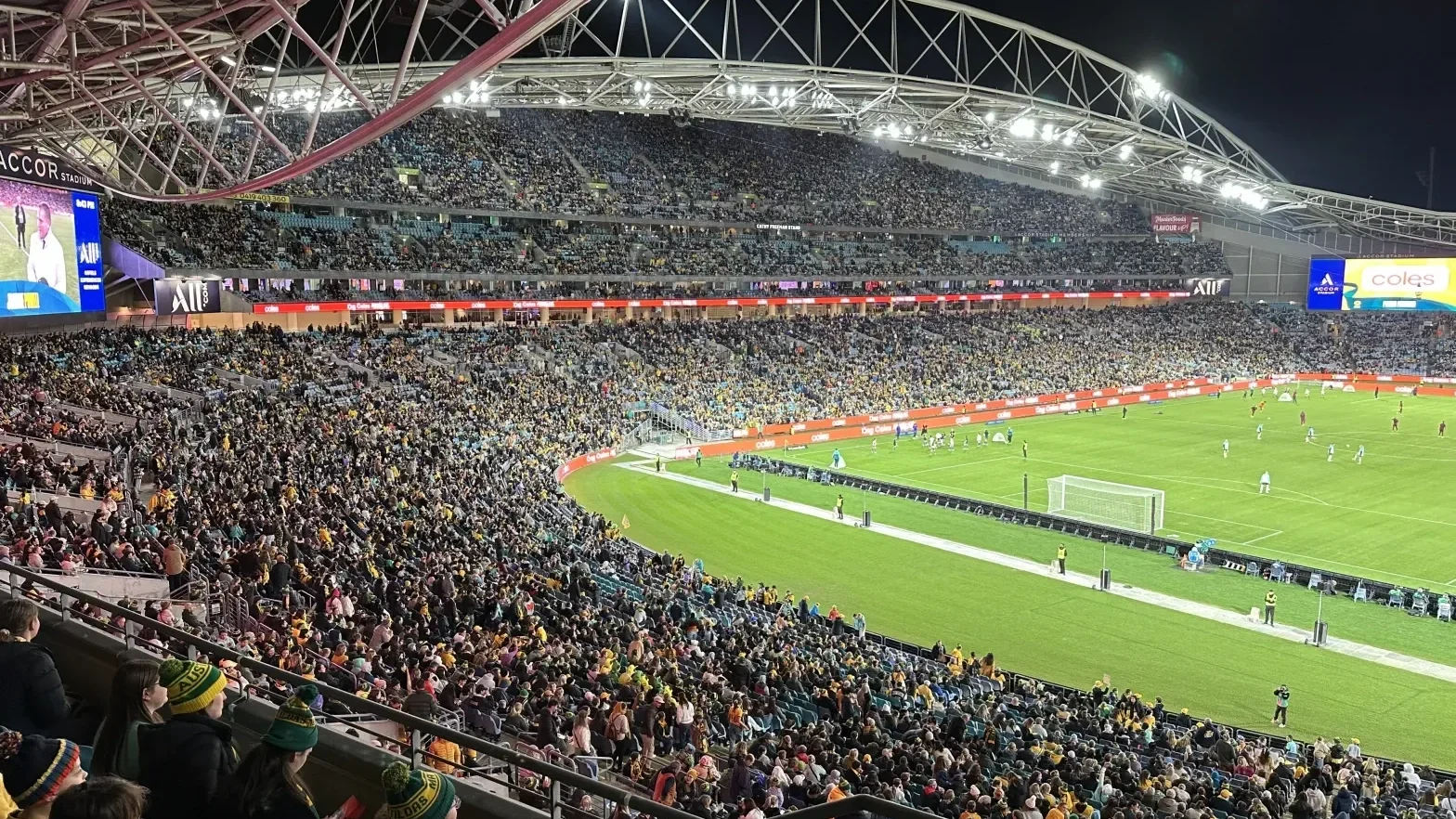
Credit: Texi Smith
When the final whistle blew on the 2023 FIFA Women’s World Cup, Australian football was promised a legacy.
We had just hosted one of the biggest women’s sporting events in history, captivated the country, and proved that football is at the heart of thousands of communities in every pocket of Australia.
But before the confetti was even swept up, and Federal Sports Minister Anika Wells could put her Matildas scarf back on the coat rack, the lobbying and political spin had started.
Behind closed doors, a promised "Women’s Football Legacy" quietly morphed into a different conversation.
When the Federal Government rolled out the $200 million 'Play Our Way' grant, competing codes were straight there with their hands out, eager for a slice of what should have been football’s pie.
They happily rode the coattails of a football-generated boom. But ask yourself: when does this ever go the other way?
You would be hard-pressed to find a time when grassroots football benefited from a government cash splash tied to an AFL Grand Final or a Cricket Ashes series.
Football did the heavy lifting only to watch domestic competitors eat from the very table that it set.
Now, right in the thick of the 2026 Women’s Asian Cup, I fear we are watching history repeat.
Right before Tuesday's massive semi-final clash between the Matildas and China in Perth, the WA State Government launched its 'Game On, Girls' initiative, offering $5,000 club grants to keep teenage girls in sport. It is part of their wider 'Power Her Play' campaign.
Nobody is arguing against getting and keeping young women active. That is a great thing. But for football advocates, the timings and the narratives hold a familiar smell.
Happily using the hype of the 2026 Asian Cup and riding the PR wave of the Matildas' popularity, the announcement carries a similar theme.
Football boasts the highest team participation numbers in the country, and female participation is at an all-time high. Yet, it remains one of the poorest-funded codes per participant across Australia.
While it is clear some governments around the country are friendlier to football than others, unfortunately the bigger picture remains the same.
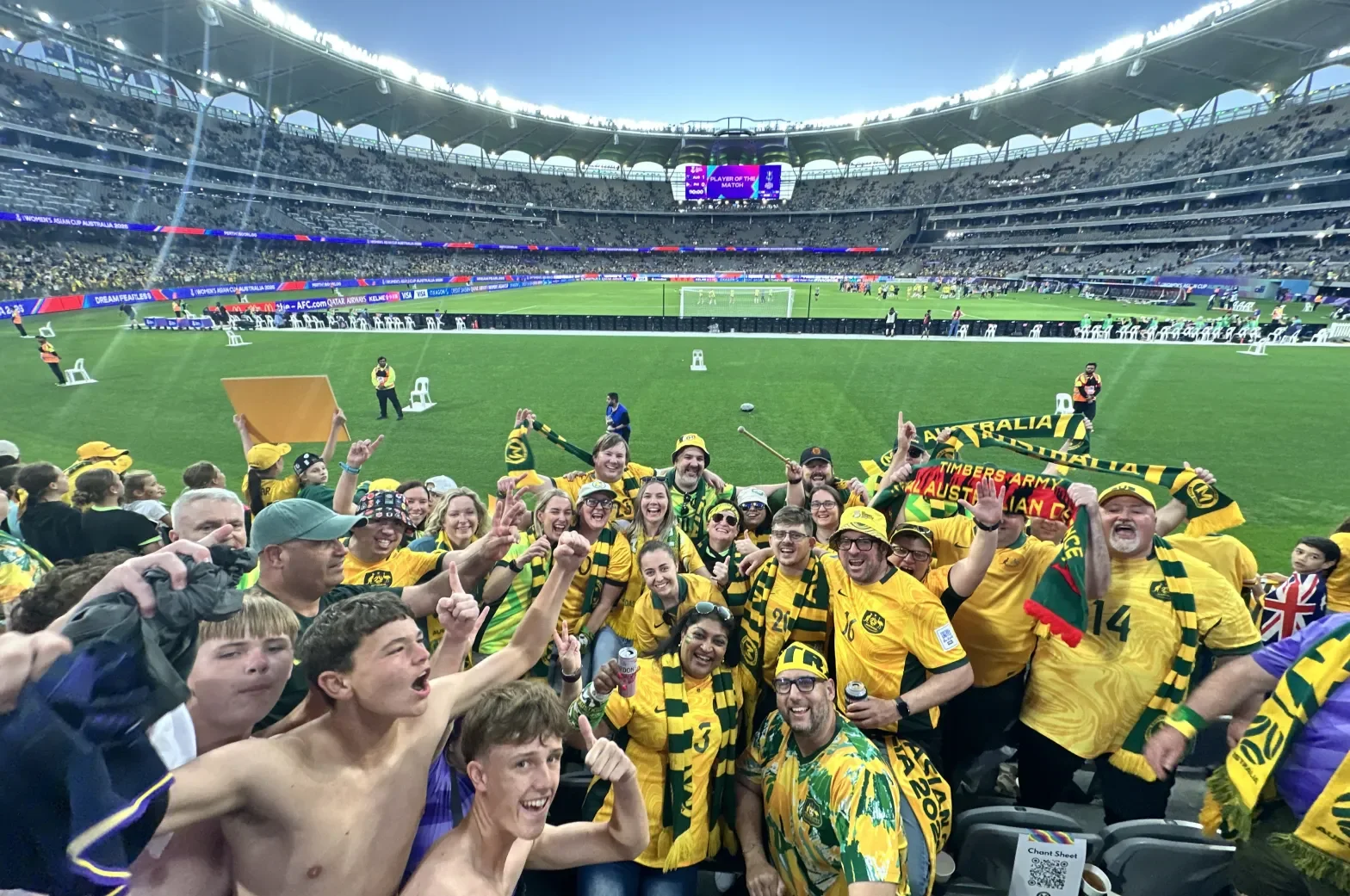
Credit: Texi Smith
While there might be robust conversations happening behind closed doors, the public perception of football bosses is one of passive gratitude rather than fierce leadership.
As the biggest team participation sport in the country, football arguably does more in benefitting the physical and mental health of Australians than almost all other codes.
Yet, instead of using that sheer weight of numbers to demand better treatment from Federal, State, and local governments, the optics suggest that the sport's leaders often seem hesitant to rock the proverbial boat.
As we build towards the 2026 Women's Asian Cup Final, we cannot afford another lost opportunity, nor can we host a major tournament just to watch the dividends handed out to rival sports.
It is time to deliver the targeted, equitable investment the game has earned and deliver on the football legacy that was promised.
And it is time for our own leaders to demand it.
The legacy of the Matildas and Women’s football needs to remain with Women's football.