A World Cup built on chaos, now let the football talk!
Credit: Texi Smith
The build-up to the 2026 FIFA World Cup has, frankly, been a mess.
It has been a FIFA bin fire fueled by money-hungry (mostly) American organisations (whatever must the Canadians and Mexicans think about being co-hosts, but that’s another story).
From ticketing chaos to transport blowouts, from basic fan welfare concerns to barriers just getting into host countries, almost every aspect of preparation has left supporters frustrated, confused, and in many cases, priced out.
And yet, despite all of that, I am sure the play on the green stuff is going to be what we truly remember, and for the very best reasons.
That’s the paradox FIFA has created.
On one hand, the off-field preparation has been riddled with issues:
Ticket prices have surged to record highs, driven by a controversial dynamic pricing system that pushes costs higher as demand rises.
Fans have been blindsided by shifting ticket categories and uncertainty about where they will actually sit.
FIFA is taking a 30% commission on ticket resales, adding another layer of cost for supporters.
Public transport costs have ballooned in key cities, with some matchday fares exceeding $100 for short trips, five times their regular cost.
In southern venues, extreme heat raises serious concerns for both players and supporters.
Restrictions on bringing reusable water bottles into stadiums limit access to affordable hydration.
Visa delays and strict immigration rules are creating barriers for international fans trying to attend, with fans from Haiti and Iran completely banned from entering the USA.
Hotels, which were attempting to charge excessive prices for World Cup visitors, are now realising they have significant vacancies (no sympathy here, of course).
Taken together, it’s hard to escape the conclusion that the preparation for this World Cup has been deeply flawed.
While the local organisers can certainly take part of the blame, ultimately the responsibility for these issues lies squarely at the feet of the all-powerful FIFA.
Supporters are being asked to pay more—much more—while getting less in return: less certainty, less accessibility, less respect.
But here’s the positive reality FIFA can’t control.
Once the whistle blows, none of that will matter.
Because the football will be incredible. And the fans will deliver an atmosphere that only world football can deliver.
This is the first World Cup with 48 teams. It will bring together more nations, more styles of play, and more stories than ever before. It will showcase the very best of the global game—the drama, the unpredictability, the moments that define careers and captivate billions.
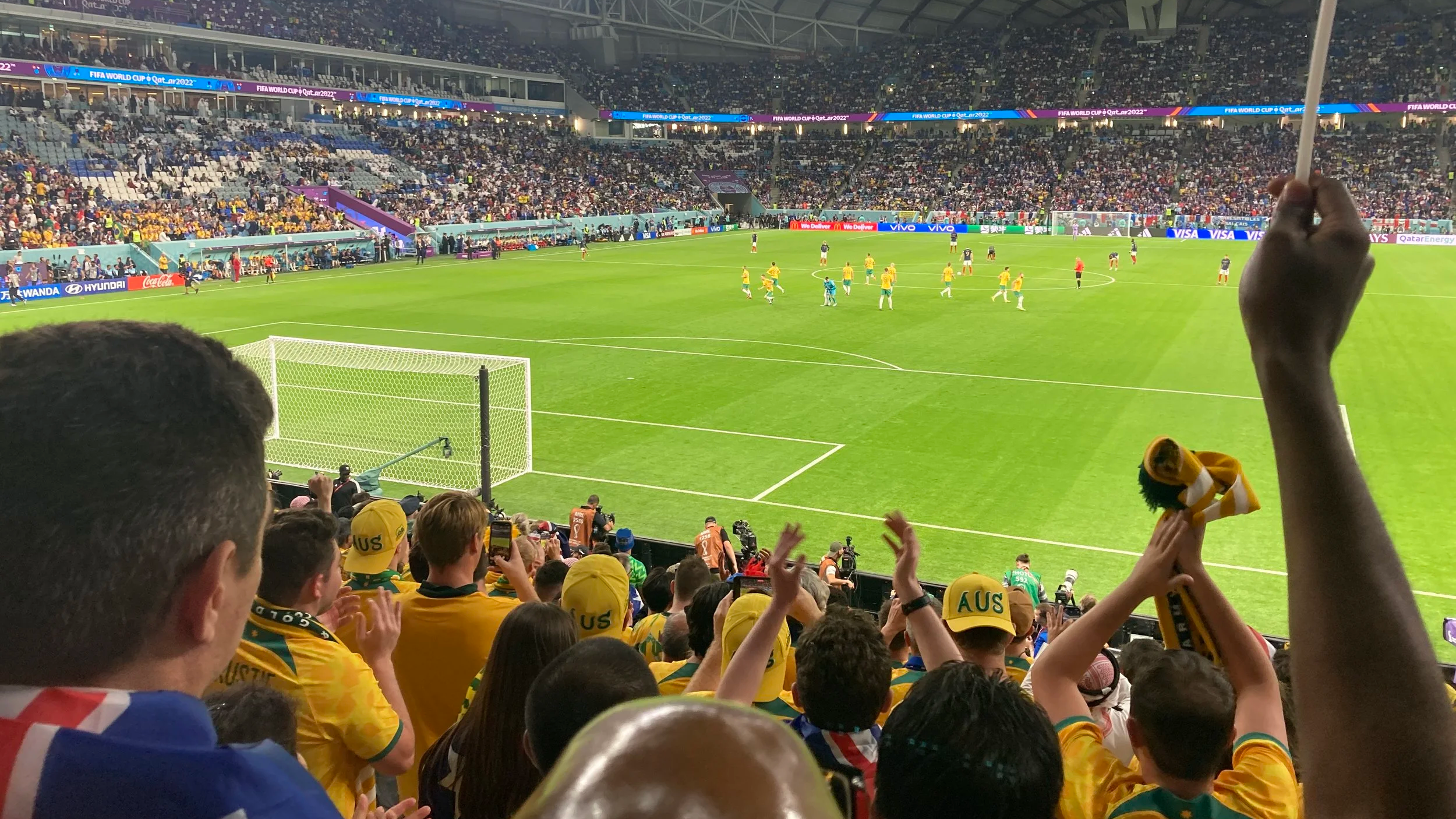
Fans will still travel, still sing, and still fill stadiums with colour and noise, because that’s what football supporters do. They endure the frustration because they love the game.
Travelling Socceroos supporters, numbering somewhere between 5,000 and 10,000, will once again lift our national team and, hopefully, to greater heights at the World Cup than ever before.
But the loyalty of supporters should not be taken for granted.
The risk for FIFA is not that this World Cup fails on the pitch. It won’t. The risk is that, off the pitch, the gap between the game’s governing body and its supporters continues to grow.
Football’s greatest tournament should not feel like a luxury product. It should be accessible. It should be straightforward. It should be built around the supporters who give it life.
That is the lesson for World Cup 2030 in Morocco, Portugal, and Spain (and the little bit in South America).
FIFA must course-correct, improve transparency, rein in costs, and put supporters back at the forefront of the World Cup experience.
Because while the football will carry the tournament, it shouldn’t have to carry FIFA’s baggage.
The game deserves better.
And so do its supporters.